
Heating System Maintenance by Teddy Tails Plumbing
Teddy Tails Plumbing recently completed a heating system inspection, tank replacement and chemical radiator flush in Worle, near Weston-super-Mare, North Somerset, after the condition of the existing heating system raised concerns.
During the inspection, Matt Tailby of Teddy Tails Plumbing identified significant contamination within the heating feed-and-expansion tank together with a split developing near the top of the existing tank. Although the tank had not yet produced a major leak, the damaged section represented a clear future risk if the water level rose or the split deteriorated further.
Rather than waiting for water damage to occur, the customer chose to have the ageing tank replaced and the heating system chemically flushed.
The project demonstrates the value of preventative heating system maintenance: identifying deterioration before it develops into a more disruptive and potentially expensive problem.
Project Overview
Location: Worle, Weston-super-Mare, North Somerset
Project: Heating tank inspection, replacement and heating system chemical flush
Completed by: Matt Tailby – Teddy Tails Plumbing
Work undertaken included:
- Inspection of the existing heating feed-and-expansion tank
- Identification of heavy contamination and sludge
- Discovery of a split near the top of the tank
- Removal of the deteriorating existing tank
- Installation of a replacement heating tank
- Inspection of associated plumbing connections
- Chemical flushing of the heating system
- Flushing of radiators
- Removal of accumulated system contamination
- Refilling and checking the heating system
The Initial Heating System Inspection
The project started with an inspection of the property’s heating system in Worle, North Somerset.
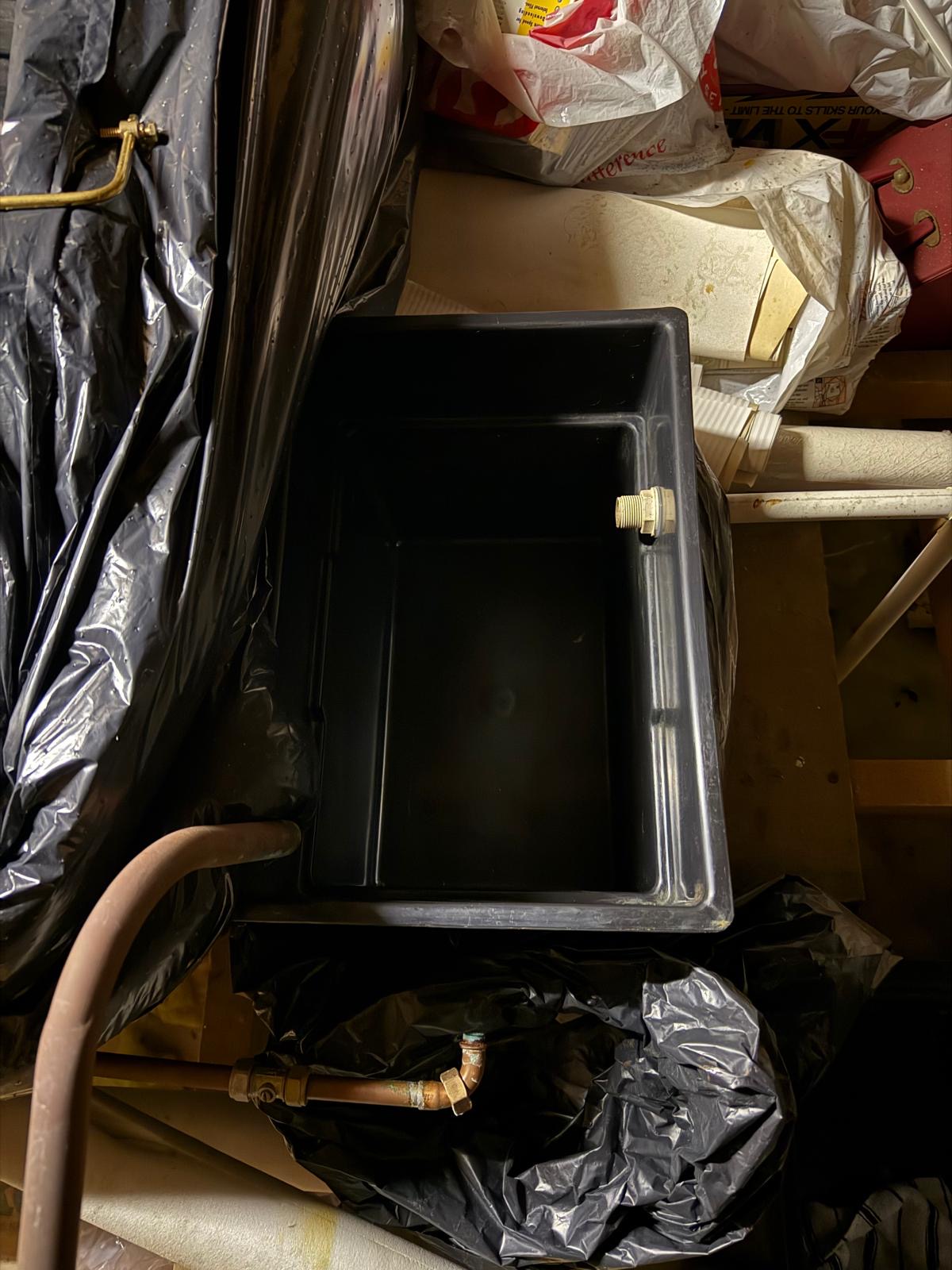
The photographs taken during the work clearly show a substantial build-up of dark brown sludge and contaminated water within the existing heating tank.
Heating systems can gradually accumulate corrosion products, magnetite, scale and other debris. When contamination becomes excessive, it can circulate through pipework, valves and radiators and contribute to poor system performance.
Matt’s inspection also revealed another significant concern: a split had formed near the upper section of the existing plastic tank.
Although the damage had not yet resulted in serious water escape, leaving the tank in this condition would have created an unnecessary risk.
A Split Heating Tank Identified Before It Leaked
One of the most important findings during this Worle heating inspection was the deteriorating tank itself.
Plastic tanks can become brittle or damaged over many years of service. A split near the top may initially appear less serious because the normal water level sits below it.
However, water levels can change.
If the tank were to fill higher than normal—for example because of a fault, expansion or an issue affecting the float valve—water could reach the damaged area and escape.
A leaking tank positioned within a loft or concealed area has the potential to cause:
- Water damage to ceilings
- Damage to insulation
- Damp within roof spaces
- Damage to electrical fittings below
- Staining and deterioration of plasterboard
- Further repair costs
Replacing the damaged tank before this happened was therefore a sensible preventative measure.
Existing Heating Tank Removed
Once the condition of the tank had been assessed, the old unit was disconnected and removed.
The photographs taken during the project provide useful first-hand evidence of the difference between the contaminated existing tank and the replacement installation.
Removing the old tank also allowed the surrounding connections and associated pipework to be checked before the replacement was fitted.
This is particularly important when working on an older heating system because replacing one component without considering the condition of connected parts can leave other developing problems undetected.
New Heating Feed-and-Expansion Tank Installed
A replacement tank was installed to remove the risk associated with the split existing unit.
The new tank provides the heating system with a sound replacement reservoir and removes the immediate concern that the deteriorating plastic could eventually allow water to escape.
Correct installation also requires attention to the tank’s:
- Water supply
- Float valve
- Feed connection
- Expansion arrangement
- Overflow provision
- Associated pipework
Once installed, the replacement tank could be incorporated back into the existing heating system and checked as part of the wider maintenance work.
Chemical Flush of the Radiators and Heating System
The condition of the water inside the old tank indicated that simply replacing the tank would not address the contamination already present elsewhere within the system.
The radiators and heating circuit therefore underwent a chemical heating system flush.
A suitable cleaning chemical is introduced into the heating circuit to help loosen and remove accumulated corrosion deposits, sludge and other contaminants.
The system can then be circulated and flushed so contaminated water and loosened material are removed before the heating system is returned to normal use.
Why Heating System Sludge Matters
Sludge inside a central heating system can gradually affect performance.
Common symptoms associated with contaminated heating systems can include:
- Radiators cold at the bottom
- Radiators heating unevenly
- Slow heating response
- Poor circulation
- Some radiators remaining colder than others
- Noisy heating components
- Repeated radiator bleeding
- Increased strain on pumps and valves
- Dirty or heavily discoloured system water
Not every heating problem is caused by sludge, which is why inspection and diagnosis should come before automatically recommending a flush.
In this particular Worle property, however, the contamination visible inside the tank provided strong physical evidence that the condition of the heating water required attention.
Cleaning the Heating System Rather Than Treating One Component
This project demonstrates why heating maintenance should sometimes be approached as a complete system rather than focusing only on the most obvious damaged component.
There were effectively two separate issues:
1. Physical deterioration of the tank
The existing tank had developed a split and required replacement to prevent a future leak.
2. Contamination within the heating system
The heavy sludge visible in the existing tank indicated that the system would benefit from cleaning.
Replacing the tank alone would have dealt with the physical damage but left the contaminated heating water circulating through the radiators and pipework.
Combining the tank replacement with a chemical system flush provided a more complete solution.
Preventative Plumbing Work in Worle
The strongest outcome from this project was that action was taken before the tank suffered a significant leak.
Preventative plumbing and heating maintenance can be considerably less disruptive than dealing with the consequences after a component fails.
The customer was able to have the deteriorating tank removed under controlled conditions rather than potentially discovering the problem after water had escaped into the property.
This approach is particularly valuable where plumbing tanks and pipework are located in roof spaces, airing cupboards or other areas that homeowners may not inspect frequently.
The Completed Result
Following the work, the property benefited from:
- A new replacement heating tank
- Removal of the split and deteriorating existing tank
- Reduced risk of water leakage from the old unit
- Cleaner heating system water
- Chemically flushed radiators and pipework
- Removal of accumulated contamination
- A heating system returned to service following maintenance and checks
The project provides another example of the practical heating and plumbing maintenance carried out by Matt Tailby of Teddy Tails Plumbing throughout Worle, Weston-super-Mare and North Somerset.
Real Heating System Work in Worle
The photographs accompanying this case study show the actual tank and contaminated heating water discovered at the property.
This is particularly useful evidence because it demonstrates problems that homeowners do not normally see.
A radiator or heating system can appear relatively normal from inside the property while significant corrosion products and contamination are accumulating within the system.
Publishing genuine project photographs allows Teddy Tails Plumbing customers to see real examples of:
- Heating system contamination
- Tank deterioration
- Plumbing inspections
- Preventative repairs
- Heating system cleaning
- Replacement installations
These real projects help demonstrate Teddy Tails Plumbing’s experience, expertise and local working history in North Somerset.
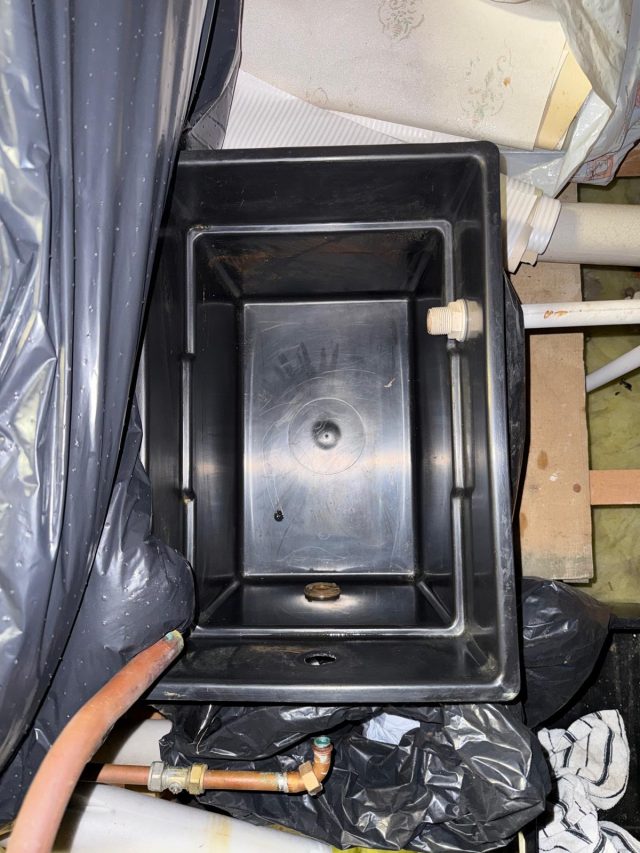
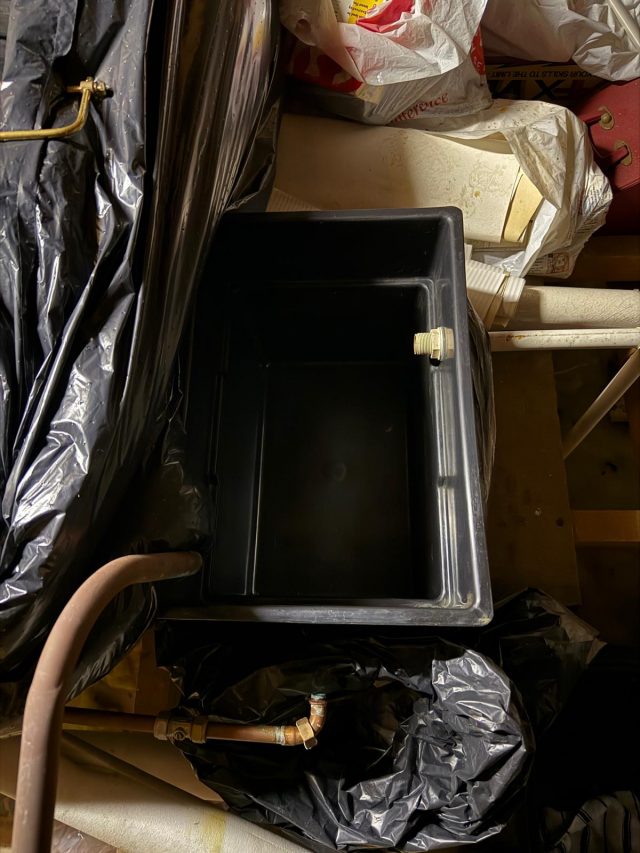
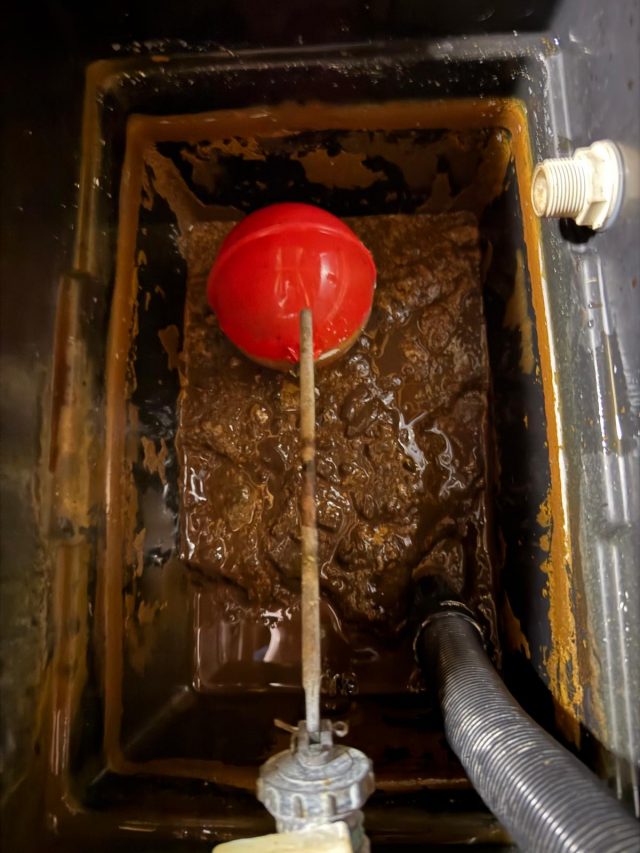
Heavy sludge and contaminated heating water discovered during a heating system inspection in Worle by Matt Tailby of Teddy Tails Plumbing.
Heating and Radiator Services in Worle & Weston-super-Mare
Teddy Tails Plumbing provides domestic plumbing and heating-related services throughout Worle, Weston-super-Mare and surrounding North Somerset areas.
Services include:
- Radiator replacement
- Radiator repairs
- Heating system flushing
- Chemical radiator flushing
- Heating pipework repairs
- Heating tank replacement
- Plumbing tank inspections
- Leaking pipe repairs
- Plumbing maintenance
- Bathroom plumbing
- General domestic plumbing
If your radiators are heating unevenly, your heating water appears heavily contaminated or you have concerns about an ageing water or heating tank, an inspection can help establish what work is actually required.
Why Choose Teddy Tails Plumbing?
Teddy Tails Plumbing is operated by Matt Tailby, providing customers throughout Weston-super-Mare and North Somerset with a direct local plumbing service.
This Worle project demonstrates Teddy Tails Plumbing’s approach particularly well: inspect the existing installation, identify the actual problems and deal with the underlying issues rather than waiting for a visible failure.
Real project photographs, named locations and detailed case studies provide customers with first-hand evidence of the work Teddy Tails Plumbing undertakes locally.
Need Your Heating System Checked in Worle?
If you have an ageing heating tank, contaminated heating water, poorly performing radiators or concerns about your domestic heating pipework, contact Teddy Tails Plumbing.
Early inspection can identify problems such as deterioration, corrosion or contamination before they develop into a leak or more significant heating-system fault.
Contact Matt Tailby at Teddy Tails Plumbing for plumbing and heating system maintenance in Worle, Weston-super-Mare and North Somerset.
FAQ Section
What is a heating feed-and-expansion tank?
A feed-and-expansion tank forms part of some open-vented heating systems. It accommodates changes in water volume as the heating system heats and cools while maintaining the system’s water supply.
Why does sludge build up in a heating system?
Heating system sludge is commonly associated with internal corrosion of metal components. Over time, corrosion products and other debris can circulate through pipework and collect in radiators and other parts of the system.
Can a split heating tank cause serious water damage?
Potentially, yes. If water reaches the damaged section of a tank it can escape into the surrounding area. Tanks located in lofts can potentially cause damage to ceilings, insulation and rooms below if a significant leak develops.
What does a chemical heating system flush do?
Chemical flushing uses a suitable cleaning solution to help loosen contamination and deposits within radiators and heating pipework so they can be flushed from the system.
Does Teddy Tails Plumbing carry out heating system work in Worle?
Yes. Teddy Tails Plumbing undertakes plumbing, radiator and heating-system maintenance for customers in Worle, Weston-super-Mare and surrounding North Somerset areas.